Permanent Exhibition Dedicated to Architect Moisei Ginzburg Opens at IEC
A permanent exhibition dedicated to the creative legacy of the outstanding…

The School of Engineering was established in the early years following the founding of the Alma-Ata Architectural and Civil Engineering Institute (AACI). In 2006, it was reorganized into the Faculty of Construction Technologies, Infrastructure, and Management. In the 2024–2025 academic year, the faculty was renamed the School of Engineering.
Throughout various years, the school was headed by renowned scientists and educators: Academician of the Engineering Academy of the Republic of Kazakhstan, Doctor of Technical Sciences, Professor Сайбулатов С.Ж.; Doctor of Economic Sciences Адилов Ж.М.; Candidate of Technical Sciences, Associate Professor Еспаева А.С. (in 2006); Candidate of Economic Sciences, Associate Professor Адилова Д.А. (from September 2013 to 2017); Candidate of Technical Sciences, Associate Professor Омиржанова Ж.Т. (from September 2017 to December 2018); Candidate of Technical Sciences, Associate Professor Естемесова А.С. (from January 2019 to 2023), and others.
Since 2025, the Dean of the School of Engineering has been Research Professor, PhD Алдунгарова Алия Кайратовна.
Throughout its history, the school has brought together a wide range of engineering disciplines, including geodesy and cartography, cadastre, building materials manufacturing, radio engineering, electronics and telecommunications, engineering in the woodworking and furniture industries, as well as construction economics and management.
A new stage in the development of the School of Engineering is associated with expanding international cooperation and modernizing educational programs. The undergraduate degree program “Geodesy and Cartography” is offered as a double-degree program in partnership with Kauno kolegija (Lithuania). Additionally, a double-degree master’s program in “Building Materials Engineering” has been developed in cooperation with Azerbaijan Architecture and Construction University.
In 2026, a new master’s degree program, “Digital Cadastre and Geospatial Analysis,” was launched, aimed at training specialists in the fields of digital cadastre, GIS technologies, and spatial analytics. An English-taught master’s program in Geodesy is also actively expanding.
In the 2025–2026 academic year, professional certification in construction cost estimation was introduced for students of the “Economics and Management in Construction” educational program. Additionally, course verification and credit transfer for specialized disciplines have been established, offering students the opportunity to earn CPA EURASIA certification in partnership with the Chamber of Professional Accountants of the Republic of Kazakhstan and the Eurasian Institute of Certified Public Accountants.
The school continues to strengthen its cooperation with the Technical University of Madrid (Universidad Politécnica de Madrid), Kauno kolegija, and other international universities, actively implementing Erasmus+ programs, student and faculty academic mobility, international internships, and joint research projects. Cutting-edge technologies—such as Artificial Intelligence, GeoAI, BIM technologies, machine learning, digital modeling, satellite remote sensing, and UAV (drone) technologies—are actively integrated into the educational process.
Key achievements include the advancement of dual education, the involvement of industrial partners in curriculum development, the modernization of laboratory facilities, the implementation of virtual laboratory practicals and massive open online courses (MOOCs), as well as the active participation of students and faculty in international competitions, scientific projects, and academic mobility programs.




An educational program is an integrated set of academic courses, modules, internships, and other learning activities designed to achieve defined learning outcomes, provide professional knowledge, foster practical skills, and develop core competencies.
The School of Engineering comprises 3 departments delivering bachelor’s, master’s, and doctoral degree programs:
Educational program 6B07371 “Geodesy and Cartography” is delivered as a double-degree program in partnership with Kauno kolegija (Lithuania).
The department also provides instruction in foundational and general engineering disciplines across all degree programs within the School of Engineering.
Welcome to the news section of our faculty! Here, you will find the latest updates on events, achievements, and opportunities available to our students, faculty, and partners.
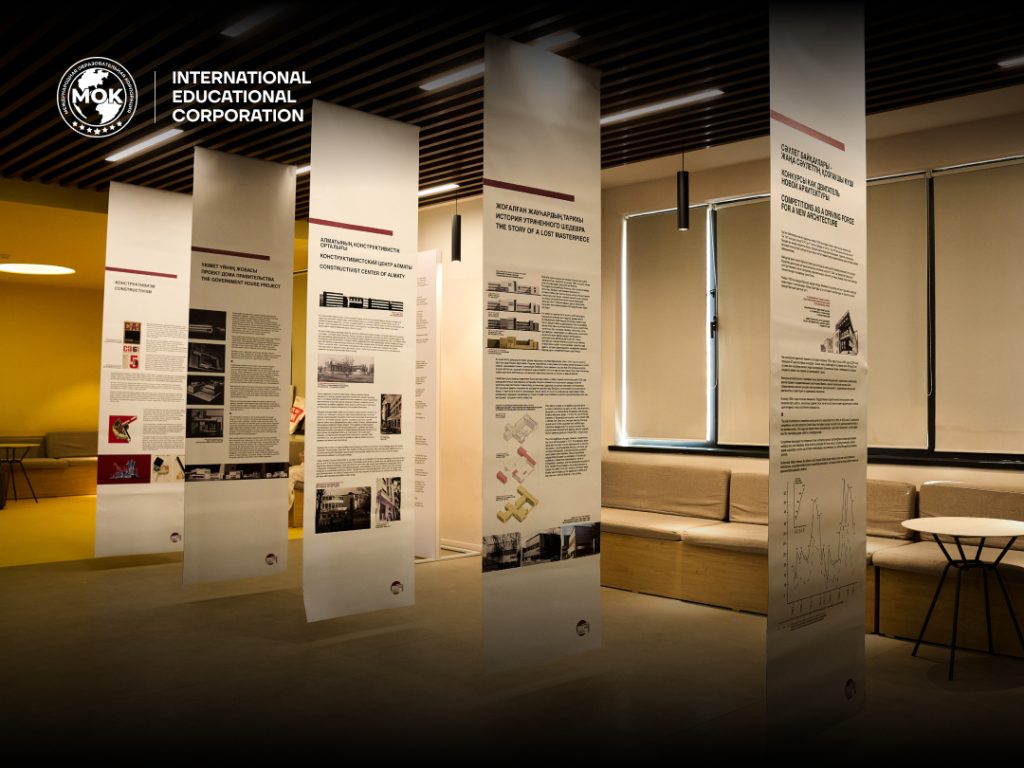
A permanent exhibition dedicated to the creative legacy of the outstanding…

A delegation from the International Islamic University Malaysia (IIUM), comprising two…
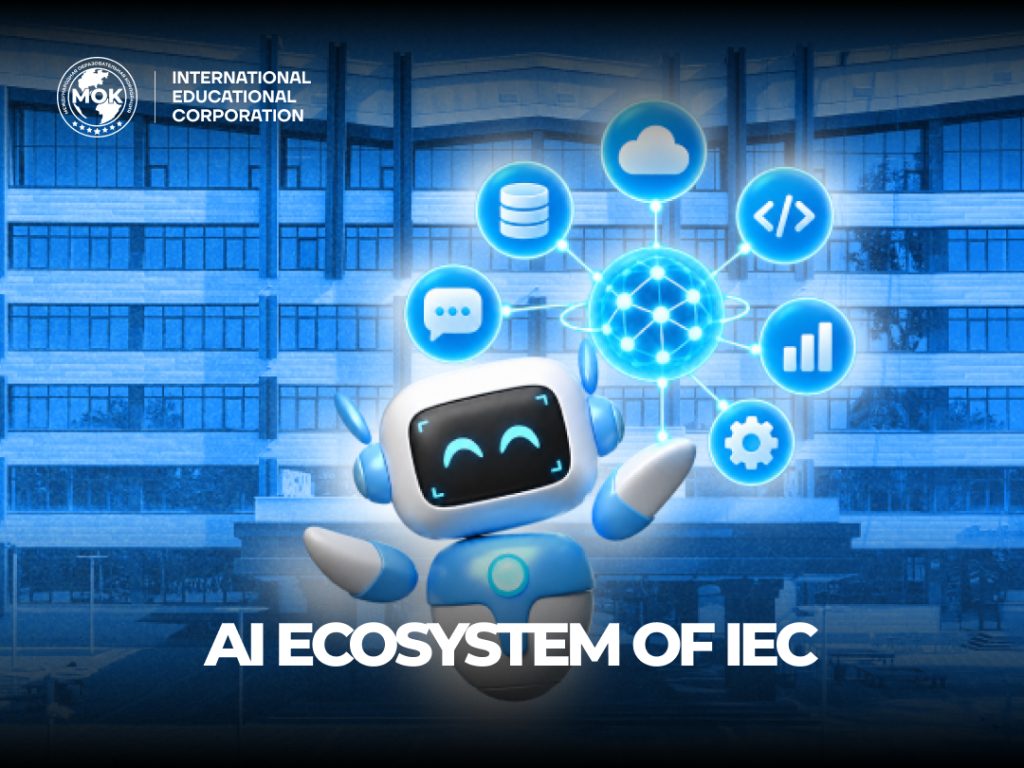
The International Educational Corporation (KazGASA) is introducing a unified AI ecosystem-a…
Educational Program 6B07501 – Cadastre
Program Overview:
The aim of the educational program 6B07501 “Cadastre” is to prepare graduates as competitive specialists in the field of land management and cadastre, equipped with critical thinking and the ability to apply theoretical and practical knowledge in land and cadastral works, including:
Land monitoring
Cadastral and economic valuation of land and real estate
Application of regulatory frameworks in project development
Key Disciplines:
Students gain broad professional training in:
Geodesy, cartography, and cadastre
Use of GIS in land relations
Specialized satellite observation methods
Cadastral appraisal of real estate
Objects of Professional Activity:
Land resources of the Republic of Kazakhstan across all categories, types, and forms of ownership and use
Real estate properties located within the boundaries of cities, towns, and rural settlements, regardless of their classification, intended use, or form of ownership
All types of land ownership and land use, including those within urban and rural settlements, irrespective of category or ownership type
Educational Program 6B07371 – Geodesy and Cartography
Program Overview:
The educational program 6B07371 “Geodesy and Cartography” is designed to train qualified specialists ready to work in geodetic and cartographic enterprises, as well as in construction companies, the oil and gas industry, geological exploration, and other key sectors of the economy.
Upon completion of the program, a geodesy and cartography specialist is able to:
Collect, process, and analyze geodetic and remote sensing data
Define goals and identify paths to achieving them using modern scientific methods
Apply core techniques and tools for obtaining data on physical and man-made objects
Use computers and specialized software tools for data storage, processing, and information management
The ultimate goal is to prepare specialists capable of utilizing scientific and spatial data for solving applied problems in:
Territorial development and cartography
Construction and engineering surveys
Natural resource management, using advanced technologies and methods
Core Disciplines:
General geodetic training
General cartographic training
Remote sensing and spatial object analysis
Image processing and photogrammetry
Geodetic monitoring of structures
Satellite geodesy
Applied surveying methods and technologies
Objects of Professional Activity:
The Earth’s surface, including national and specialized geodetic networks
Construction sites for buildings and structures
Civil, residential, transportation, and hydraulic infrastructure
Mineral deposits and exploration zones
Land parcels and urban areas
Natural and human-modified systems
Geodesy (Scientific and Pedagogical Track)
The 7M07371 – Geodesy educational program prepares qualified specialists who are ready to work in cartographic-geodetic enterprises, as well as in construction companies, oil and gas, geological exploration, and other sectors of the economy.
Upon completion of this program, a geodesy and cartography specialist will be engaged in the collection, generalization, and analysis of geodetic and aerospace information. They will set goals and choose ways to achieve them using modern scientific methods. The specialist will master the main methods, techniques, and tools for obtaining information about an object, and will be proficient in using computer systems for storing, processing, and managing information, utilizing software products. Their tasks include the development of technical projects for cartographic and topographic-geodetic works based on modern methods and tools to solve specific professional tasks. They will manage and control the execution of projects, process aerospace data, and interpret the obtained data. The geodesy specialist will also work with clients, make management decisions in non-standard situations, and be responsible for them.
Main Goal:
The goal of the program is to prepare scientific and scientific-pedagogical personnel for universities and research organizations with advanced research and pedagogical training. The program focuses on the development of general cultural, professional, and specialized competencies necessary in the field of geodesy.
Subjects Studied in the Program:
Fundamentals of Scientific Research Philosophy
Geodetic Research and Positioning
Geoinformation Systems
Modeling Processes and Phenomena
Remote Sensing and Image Analysis
Engineering-Geodetic Monitoring and Data Management
Professional Activity Objects:
Objects located on the Earth’s surface
Mineral deposits and natural resources, which are objects of subsoil use and scientific study in mineral resource organizations
Construction sites
Oil and gas extraction companies
A Master in Geodesy with a scientific-pedagogical focus can work as a researcher in research and design organizations or as a faculty member at higher educational institutions.
Training of Qualified Specialists in Geodesy (Specialization Track)
The preparation of qualified specialists involves comprehensive training, providing deep theoretical knowledge in geodesy as well as practical skills necessary to perform professional tasks. The goal is to develop specialists capable of effectively working in various production environments, managing projects, and organizing and coordinating the activities of working groups.
The training focuses on developing general cultural and professional competencies, including:
Theoretical Training:
Mastering the fundamentals of geodesy, cartography, topography, and related disciplines.
Studying modern methods and technologies for accurate measurements and data processing.
Understanding the regulatory and legal aspects governing geodetic activities.
Practical Training:
Working with modern geodetic equipment (electronic total stations, GPS receivers, drones, etc.).
Mastery of specialized software for data processing and the creation of cartographic products.
Solving real-world tasks in both field and laboratory conditions.
Educational Program 8D07371 – GeodesyThe educational program 8D07371 is aimed at training highly qualified researchers in the field of geodesy. Graduates of this program will possess the knowledge and skills required for collecting, summarizing, and analyzing geodetic and aerospace information using advanced information technologies, methods of mathematical and computer modeling, and modern research methods for effectively solving professional tasks. Graduates will also be capable of transferring their knowledge and experience into teaching activities at higher education institutions.The program ensures an individual approach to students, transforming professional competencies from professional standards and qualification standards into learning outcomes. It applies a student-centered approach, shifting the emphasis in the educational process from teaching (the role of the instructor in “transmitting” knowledge) to learning (as an active educational activity of the student).Goal:
The goal of the program is to train scientific and pedagogical professionals who are highly qualified and competitive in the international labor market in the field of geodesy, possessing high levels of general and professional culture. Graduates will be capable of conducting scientific research and innovation activities, mastering the methodology, and having the skills to transfer knowledge to students in higher education institutions.Key Disciplines in the Program:
Objects of Professional Activity:
Educational Program – Radio Engineering, Electronics and Telecommunications
Program Overview:
The Radio Engineering, Electronics and Telecommunications educational program is aimed at shaping a well-educated, adaptable, and mobile professional with both core and specialized competencies in telecommunications, capable of solving engineering tasks in the fields of radio technology, electronics, and communication systems.
This program prepares highly qualified specialists for innovative sectors of the national economy in the field of advanced telecommunications technologies.
Graduates acquire theoretical, practical, and research knowledge and skills that meet the demands of both the domestic and global labor markets. They are trained to quickly adapt to constantly changing socio-economic conditions within the context of the growing ICT (information and communication technologies) sector.
Key Subjects:
Introduction to Radio Electronics
Optics
Fundamentals of Electronic and Measuring Equipment
Circuitry and Electronics
Electrical Circuit Theory
Wireless Communication Technologies
Mobile Communication Technologies
Computer Networks in Telecommunications
Computer Networks (Cisco 1)
Fundamentals of Robotics
Computer Graphics Systems
Metrology, Standardization and Certification
Theory of Electrical Communication
Digital Television Systems
Structured Cabling Systems
Information Security in Telecommunication Systems
Broadband Access Systems
Optical Systems in Telecommunications
Fiber-Optic Communication Lines
Digital Communication Technologies
Digital Devices and Microprocessors
Multichannel Telecommunication Systems
Guided Communication Systems
Antenna and Feeder Devices
NGN and Post-NGN Networks
Routing and Switching in Telecommunications
Satellite and Space Communication
Electromagnetic Wave Transmission Theory
Digital Transceiver Devices
Radio Engineering Devices
Career Opportunities:
Graduates of the program are well-prepared for roles in:
Installation and commissioning
Project management and technical operations
System design and technology development
Engineering analysis and telecommunications research
Service and maintenance operations
Typical positions include:
Cellular communication engineer
Fiber-optic system (FOTS) design engineer
Equipment developer with neural network-based control systems
Hardware design engineer
Telecommunications technology engineer
Information security and technical protection engineer
Graduates find employment with:
Electronics manufacturing companies
Telecom service providers and mobile operators
Repair and maintenance facilities
Research and development institutes
Law enforcement agencies
Defense and aerospace industries, and more.
Educational Program Code and Name | 6B07212 Engineering in the Woodworking and Furniture Industry |
Level of Study | Master’s Degree |
Information:
The educational program 6B07212 “Engineering in the woodworking and furniture industry” is aimed at training qualified specialists for the woodworking, furniture and related industries.
The program combines engineering, technology, design, design and production training. In the course of their studies, students master modern technologies for processing wood and wood materials, designing wooden structures and furniture, organizing and managing woodworking production, working with equipment with numerical control, digital production systems, BIM technologies, robotics and elements of artificial intelligence.
Special attention is paid to the formation of practical skills necessary for the design and production of competitive furniture and wood products, the rational use of raw materials, the introduction of modern technologies and improving the efficiency of production processes.
Information:
Oneof the keyadvantages of the educationalprogramis the combination of classicalwoodworkingtechnologieswithmodernengineeringanddigitalapproaches.
Students get the opportunity to:
Information:
The most significant disciplines of the educational program include:
The list corresponds to the profile and elective disciplines of the submitted materials of the educational program.
Information:
Graduates of the educational program can work:
Graduates can realize themselves in furniture factories, woodworking enterprises, enterprises for the production of wood materials and structures, in design and engineering organizations, design companies, manufacturing and engineering organizations.
The acquired knowledge also allows graduates to engage in entrepreneurial activities and create their own enterprises for the production of furniture and wood products.
Link to the Google folder with photographs:
https://drive.google.com/drive/folders/1jDkAV8Q0BzhdA27r-BYKulDEMOomsSyd
Ответственное лицо: _Шалтабаева Салтанат Турарбековна_
Контакт: _8 701 492 2339_
Code and Title of the Educational Program | 6B07362 Construction Materials Engineering and Quality Management |
Level of Training | Bachelor’s Degree |
1. Brief Information about the Educational Program
The educational program “6B07362 Construction Materials Engineering and Quality Management” is designed to train highly qualified specialists of a new generation for the construction industry. The program harmoniously combines deep engineering knowledge in construction materials science with modern methods of digital design (BIM technologies) and quality management. The total volume of the program is 240 academic credits, designed for 4 years of full-time study. Instruction is conducted in Russian and Kazakh.
Main Goal of the Program: training of specialists capable of successfully solving complex production, research, and design problems in the construction industry. This includes the design, production, quality management, and application of innovative construction materials and products using Building Information Modeling (BIM) methods, taking into account modern requirements of environmental safety, sustainable development, resource conservation, and the creation of an inclusive and barrier-free environment.
2. Advantages of the Educational Program
Digitalization and BIM Technologies: students acquire highly sought-after skills in building information modeling (BIM), work with specialized software (Autodesk Revit, AutoCAD, 3Ds Max, AutoCAD Plant 3D, SANA, ABC-4), and analyze big data (Big Data in construction).
Practical Orientation and Industry Links: the program was developed in close cooperation with leading employers in the construction sector. Reviewers and members of the Industrial Committee are executives of major enterprises (“Temir ZHB” LLP of “AZMK Group” holding, “Unifruit Trading” LLP, “Kulsary Concrete Solutions” LLP, “SAPA INTERSYSTEM” LLP, “Almaty Autoclaved Aerated Concrete Plant” LLP, “Knauf Insulation” LLP, “Temirbeton-1” LLP), which guarantees the relevance of knowledge and wide opportunities for internships and future employment.
Focus on Sustainable Development and Resource Conservation: the program covers advanced ecological concepts (decarbonization, materials life cycle assessment – LCA, utilization of industrial waste and secondary raw materials, creation of innovative “green” concretes with a minimized carbon footprint).
Mastery of Additive Technologies: studying modern methods of 3D printing with polymers and other composite and additive construction technologies of the new generation.
Inclusive Education and Universal Design: the program includes designing a barrier-free environment for persons with special educational needs (SEN), taking into account the principles of accessibility and ergonomics when developing equipment interfaces and organizing industrial zones.
3. Key Studied Disciplines
Digital Technologies and BIM Modeling
Building Information Modeling of Building Structures, Buildings and Facilities (BIM)
Professional Programs for the Construction Industry (AutoCAD, Revit, AutoCAD Plant 3D)
Big Data in Construction
Digital Modeling of Construction Processes
Materials Science and Innovative Technologies
Concrete Technology I and II
Building Ceramics and Quality Assessment / Technology of Building Ceramics
Mineral Binders and Quality Assessment
Roofing, Waterproofing and Road-Building Materials
Polymer Building Materials and Additive Technologies (3D Printing)
Quality Management and Environmental Safety
Quality Management in the Production of Construction Materials and Legislative and Regulatory Support of Construction
Resource-Saving Technologies and Environmental Assessment of Construction Materials
Fundamentals of Life Safety, Ecology and Sustainable Development
Engineering and Automated Systems
Automation of Production Processes
Thermotechnical and Mechanical Equipment of Construction Materials Enterprises
Building Structures
Economics and Project Management
Economics and Management in the Production of Construction Materials
Project Management and Start-up
Development of Estimates using Digital Technologies and Artificial Intelligence
4. Career Opportunities for Graduates
The educational program “6B07362 Construction Materials Engineering and Quality Management” opens opportunities for building a career in the modern construction industry — from the production and development of construction materials to quality management, technical control, design, digitalization, automation, and management of construction and production projects.
Where can graduates work?
enterprises for the production of concrete, reinforced concrete products and structures;
enterprises for the production of construction ceramics, mineral binders, and dry construction mixtures;
enterprises for the production of thermal insulation, waterproofing, polymer and composite construction materials;
testing laboratories and quality control centers for construction products;
design and engineering organizations;
organizations performing technical and production control;
organizations in the field of standardization, certification, and technical regulation;
organizations developing project and design-estimate documentation;
companies implementing BIM, digital, and automated technologies;
research organizations and innovation centers;
organizations implementing resource-saving and environmentally safe technologies.
What jobs can graduates do?
Production and Technology
process engineer;
process engineer for the production of construction materials;
technologist of construction materials production;
construction materials engineer;
production technology support specialist;
automation engineer.
Quality, Testing and Control
quality engineer;
technical control engineer (QC);
laboratory engineer;
testing laboratory specialist;
quality control specialist for construction materials, products and structures;
standardization and certification specialist;
technical regulation specialist.
Design and Technical Support
PTO engineer (Production and Technical Department);
design engineer;
structural design specialist;
construction project technical support specialist;
construction control specialist;
foreman / site supervisor (in accordance with qualification requirements).
Estimating, Economics and Management
estimator engineer;
estimation specialist;
feasibility study specialist;
construction cost estimation specialist;
project manager;
construction and production project management specialist.
Digital Technologies and Automation
BIM specialist;
BIM modeler;
construction process digital modeling specialist;
production digitalization specialist;
production process automation specialist;
specialist in digital technologies and AI application in construction.
Ecology and Innovations
environmental assessment specialist for construction materials;
resource-saving specialist;
specialist in implementing environmentally safe technologies;
specialist in development and implementation of innovative construction materials.
Research Activity
research unit specialist;
junior researcher;
Career Prospects
As they gain professional experience and meet the established qualification requirements, graduates can grow to the following positions: leading specialist, chief specialist, project leader, head of laboratory, head of technical control department (QC), production site supervisor, head of workshop, head of production division, chief engineer.
Another promising trajectory is technical supervision. After obtaining the necessary professional experience and passing the certification procedure provided for by law, a graduate can develop in the direction of technical supervision of construction, including quality control of construction works, construction materials, products and structures.
Why is this program promising?
The graduate receives a comprehensive engineering training that combines construction materials and technologies of their production, quality management, design, BIM and digital modeling, automation, estimating, technical and economic calculations, project management, artificial intelligence, environmental safety, and resource conservation. This allows them to build a career in various areas of the modern construction industry — from a process engineer and quality specialist to a BIM specialist, estimator engineer, project manager and, in the future, a leader of a production or project division.
5. Photos for the Website
For placement on the website, a link to a Google Drive folder with high-quality photos related to the educational process, laboratory testing, and construction production has been prepared: Хранилище – Google Диск
Developers and Responsible Persons
Full Name | Academic Degree, Title, Position | Role in the Program |
Aldungarova A.K. | PhD, Research Professor, Dean of School of Engineering | Coordination of the Educational Program |
Zhilkibayeva A.M. | PhD, Associate-Research Professor, Curator of the EP | EP Development, academic quality coordination |
Educational programme code and title | 6B07324 Economics and Management in Construction |
Level of study | ☑ Bachelor’s degree ☐ Master’s degree ☐ Doctoral degree |
The 6B07324 Economics and Management in Construction educational programme is delivered by the School of Engineering of International Educational Corporation LLP. The programme lasts four years and comprises 240 academic credits. The languages of instruction are Kazakh and Russian. Graduates are awarded a Bachelor of Engineering and Technology degree. The field of education is 6B07 Engineering, Manufacturing and Construction Industries, and the field of study is 6B073 Architecture and Construction.
The programme’s defining feature is its interdisciplinary approach. Students study construction from an engineering perspective, including construction materials and structures, construction production technology, geodesy, and building engineering systems. At the same time, they develop expertise in cost estimating, construction pricing, accounting, finance, management, and marketing. As a result, graduates can understand both technical drawings and cost estimates — a combination of skills that is consistently valued across the construction industry.
The programme is based on the current professional standards of the Republic of Kazakhstan: Construction Production Manager, Development of Construction Projects, and Accountant. The curriculum is reviewed annually by an Industry Advisory Committee comprising leaders of construction and financial organisations that employ our graduates.
A degree plus professional certifications. The programme is delivered in cooperation with the Chamber of Professional Accountants of Kazakhstan, giving students an opportunity to obtain professional accountant certification while still studying. Practical training in construction cost estimating is organised jointly with Tekhnadzor Stroy KZ LLP and leads to a cost estimator certificate. Graduates therefore enter the labour market with both a university degree and professional credentials that employers can immediately recognise.
Up-to-date digital skills. Students work in a BIM environment and learn information and digital modelling of construction processes, cost-estimate development using specialised software, 1C:Accounting, business intelligence technologies, and the fundamentals of artificial intelligence and data analysis. These are among the practical skills currently expected of candidates by design and construction companies.
Individual learning pathways and real-world practice. From the second year, students choose one of three minors and develop deeper expertise in their selected area: Accounting and 1C; Digital Marketing and B2B; or Technical Mechanics and Building Information Modelling. Practical training, industrial placements, and pre-graduation internships take place at operating companies in the sector, allowing students to experience construction sites and construction economics in practice rather than only through textbooks.
A versatile qualification. Graduates are not limited to a single occupation. They can work as cost estimators for contractors, economists for developers, analysts in banks, project managers in development companies, or specialists in government bodies. The programme follows the principles of inclusive education and provides for an individual study plan, flexible assessment methods, and the option to complete up to 25% of coursework through distance learning.
Construction Economics and Cost Estimating — the core of the programme: Economics in Construction; Construction Pricing; Resource Standardisation and Cost Calculation; Digital Cost Estimate Development; Real Estate Economics and Valuation; Labour Economics; Statistics.
Project Management and Management Studies: Project Management and Start-ups; Strategic Planning; Quality Management Systems; HR Management; Business Planning; Fundamentals of Management and Marketing; Digital Marketing; B2B Marketing; Fundamentals of Entrepreneurship; Legal Regulation of Business; Business and Professional Ethics.
Accounting and Finance: Fundamentals of Accounting and Auditing; Management Accounting; Taxation; Financial and Management Analysis; Financial Modelling of Construction Projects; Fundamentals of Financial Literacy; 1C:Accounting.
Digital Technologies, BIM, and Data Analysis: Building Information Modelling of Structures, Buildings and Facilities (BIM); Digital Modelling of Construction Processes; Business Intelligence Technologies; Data Analysis and Economic Forecasting; Fundamentals of Artificial Intelligence; Information and Communication Technologies; Fundamentals of Research.
Engineering and Construction Studies: Construction Materials; Building Structures; Construction Production Technology; Construction Machinery and Equipment; Architectural and Construction Design; Engineering Systems of Buildings and Facilities; Engineering and Technical Mechanics; Building Physics; Geodesy; Engineering and Computer Graphics.
Career options: Construction Cost Estimator; Construction Economics Specialist; Project Manager; Business or Investment Analyst; Finance and Cost Manager; Development Project Specialist; Cost Engineer; Pricing Specialist; Accountant; Real Estate Valuer; Quality Management Systems Specialist.
Potential employers: construction contractors and construction investment companies; design institutes and engineering organisations; property development companies; technical supervision and project management services; second-tier banks and insurance companies; consulting and valuation firms; and government bodies, including departments responsible for architecture, urban planning, and public procurement.
Why these professionals are in demand: No construction project in Kazakhstan can proceed without cost-estimate documentation, economic justification, and budget management. These functions are required at every stage, from design through commissioning, and remain relevant in new construction, reconstruction, and building operation.
Further opportunities: Graduates may continue their studies in master’s programmes within 7M073 Architecture and Construction, including 7M07324 Economics and Management in Construction, or in Economics and Management. They can also establish their own business in the construction sector, supported by the skills developed in Fundamentals of Entrepreneurship, Business Planning, and Project Management and Start-ups.
Two or three high-quality JPG photographs related to the educational programme and suitable for publication on the official website:
Responsible person: K. I. Ilyassova, Coordinator of the Economics and Management in Construction educational programme
Contact: +7 775 419 61 17
The code and name of the educational program | “7M07361 Production of building materials, products and structures” (scientific and pedagogical direction) |
Level of training | Master’s degree |
The Master’s degree program in the scientific and pedagogical direction 7M07361 “Production of building materials, products and structures” is focused on the training of highly qualified specialists capable of carrying out research, pedagogical and innovative activities in the field of building materials science and technology for the production of building materials, products and structures.
The program provides in-depth training in the field of modern building materials and their production technologies, quality management, resource conservation, environmental safety and the use of man-made and secondary resources. Special attention is paid to the development of modern methods for studying the composition, structure, and physico-mechanical properties of materials, planning and statistical processing of experimental results, and developing and improving innovative technologies.
In the course of their studies, undergraduates acquire competencies for conducting scientific research, developing new materials and technological solutions, preparing scientific publications and participating in scientific and innovative projects, as well as developing the pedagogical competencies necessary to work in organizations of higher and postgraduate education.
The educational program creates conditions for academic and professional development, continuing doctoral studies and building a career in research organizations, higher education institutions, laboratories, design and expert organizations, as well as in the construction industry.
Graduates of the Master’s degree can work in:
– chief technologist;
– specialist in the development of innovative building materials and technologies;
– specialist in waste recycling, manufacture of environmentally friendly and resource-saving technologies for the production of building materials;
– head of the laboratory;
– head of specialized quality control departments;
– specialist in standardization, certification and quality management of construction products;
– head of specialized production, mining, construction (technical and engineering), supply and transport departments;
– research engineer in design, testing and expert organizations;
– researcher and researcher in research institutes, laboratories and research centers;
– teacher of higher and professional education organizations in the disciplines of building materials science, technology of building materials, products and structures;
The scientific and pedagogical orientation of the program also creates the basis for further doctoral studies and the development of an academic career.
Link to the Google folder with photo materials: ………
Objective of the educational programme – training of professional specialists who have the skills to solve technological problems in the field of production of building materials, products and structures and are able to successfully compete in changing labor market conditions.
Sphere of professional activity:
As a result of mastering this EP, graduates will be able to work in:
– enterprises for the manufacture of building materials and products;
– research institutes of building materials;
– design organizations;
– laboratories for testing and certification of building materials;
– construction companies;
– organizations of technical and vocational education.
To hold positions:
– the head of the laboratory;
– chief technologist;
– head (manager) of specialized production, mining, construction (technical and engineering), supply and transport departments;
– head of specialized quality control departments;
– a waste recycling engineer.
Learning Outcomes:
Code and Name of the educational program | 7M 07324 “Economics and Management in Construction” |
Level of training | ☐ Master’s degree ☐ Doctoral degree |
Brief description of the educational program, its focus, goals, specifics and main features of student training.
Information:
The educational program ” 7M 07324 Economics and Management in Construction” is implemented at the School of Engineering of the International Educational Corporation. The duration of study is 2 years, the volume is 60 academic credits, languages of instruction : Kazakh and Russian. Degree awarded : Bachelor of Engineering and Technology. Field of education : 07 “Engineering, Manufacturing, and Construction Industries,” field of study : 7M 073 “Architecture and Construction.”
The program’s key focus is on training qualified academic, teaching, and management personnel capable of effectively addressing economic, organizational, and managerial challenges in the construction industry. The program combines fundamental economic and managerial training with the study of modern investment and project management technologies, cost engineering, cost management, and financial risk management.
Particular attention is paid to the digital transformation of the construction industry, the application of artificial intelligence in economic analysis and construction project management, energy efficiency, environmental and green design, and the commercialization of scientific developments.
The educational program is aimed at developing students’ analytical, creative, and strategic thinking, independent research skills, and the ability to make informed management decisions in a changing economic environment.
The educational program is focused on the modern needs of the construction industry and combines economic, management, investment, and scientific research training.
Information:
The program’s key benefits include: comprehensive training in the economics and management of the construction industry; study of modern methods of business planning and investment project management; mastery of cost and expense management tools in construction; study of modern approaches to assessing and managing financial risks; development of competencies in project and corporate management; application of artificial intelligence and digital technologies in the economics and management of construction; preparation for conducting scientific research and developing innovative solutions; study of issues related to the commercialization of scientific projects in construction; development of competencies in the field of ecological, energy-efficient, and “green” construction; development of managerial and creative competencies necessary for working in a competitive environment.
The program allows you to develop professional competencies that are in demand in modern construction, investment, design, consulting, and educational organizations .
A list of the main and most significant disciplines studied by master’s students within the framework of the educational program.
Information:
The educational program covers disciplines aimed at developing professional, managerial, research, and digital competencies:
Management and management psychology – modern principles of management, personnel motivation, conflict management and the formation of an effective organizational climate;
Organization and conduct of scientific research – methods of organizing scientific work, conducting research, analyzing and systematizing scientific data;
Pedagogy of higher education – the fundamentals of pedagogical activity, design of the educational process and evaluation of its effectiveness;
Anti-crisis policy of an enterprise – economic methods of enterprise management and decision-making in crisis situations;
Bankruptcy and liquidation of enterprises – legal and economic foundations of bankruptcy and liquidation of enterprises in the Republic of Kazakhstan;
Commercialization of scientific projects in construction – methods of practical use of scientific developments and obtaining commercial effects;
Creative project management – modern approaches to project management and development of creative solutions;
Quality management system – quality management, standardization and certification of products and services;
Management system in education – modern approaches to the management of educational organizations;
Corporate governance – principles of corporate management and professional activity in a competitive environment;
Creative management in the construction industry – development of creative thinking and application of innovative approaches in the management of construction organizations;
Organization of investment activities of the enterprise – the basics of investment and innovation activities and modern methods of investment management;
Financial risk assessment in the construction industry – identification, assessment and analysis of financial risks of construction projects;
Application of artificial intelligence in economics and construction management – the use of AI for economic analysis, forecasting costs and construction schedules, risk assessment, resource optimization, budgeting and cost analysis;
Cost engineering in construction – modern methods of managing construction costs at various stages of the investment and construction process;
Expertise of goods and services in construction – assessment of the quality and competitiveness of goods and services, issues of certification, standardization and expertise;
Methods and aspects of “green” or ecological design – modern approaches to environmental and engineering safety of construction projects;
Energy efficiency and environmental issues in construction – improving the energy efficiency, reliability, safety and environmental friendliness of buildings and structures.
Information about the careers graduates of this educational program can pursue, the positions they can hold, and the professional fields and organizations they can pursue after completing their studies.
Information:
The acquired knowledge and competencies allow one to occupy positions related to economics, management, investment activities, project management, financial analysis, and construction project cost management.
Graduates can work as:
– economist of a construction organization;
– manager of construction and investment projects;
– investment specialist;
– specialist in cost management and construction costs;
– specialist in financial and risk management;
– quality management manager;
– specialist in business planning and economic analysis;
– corporate manager;
– project manager;
– specialist in innovative development and commercialization of scientific research;
– specialist in digitalization and application of AI in construction management;
– research fellow;
– a teacher in higher and professional education organizations.
Professional activities of graduates may be related to the management of construction companies, the implementation of investment and construction projects, economic support for construction, scientific research and teaching activities.
You must provide 2-3 high-quality photographs in JPG format related to the educational program and suitable for posting on the official website.
Link to Google folder with photo materials:
https://drive.google.com/drive/folders/1PnsGmj26zMSHgfmGT1HnKw4XV3SPdKI_
Responsible person: Adilova D.A., curator of the MEMS OP
Contact: +77 472509562
Economics and Management in Construction (Professional Track)
This program is aimed at preparing highly qualified scientific and pedagogical specialists in the field of economics and management for the construction industry. Graduates will possess modern knowledge and skills in areas such as business planning, investment project management, cost management, and cost estimation in construction. Special attention is given to the ability to adapt education and scientific research to the evolving needs of society and advancements in scientific thought.
Program Duration: 1 year
Main Areas of Study:
Project Management:
Graduates will be able to effectively manage construction projects, including planning, implementation, and monitoring progress.
The master’s program equips graduates with the necessary competencies for a successful career in construction project management and scientific-pedagogical activities, shaping professionals capable of adapting to changes in the industry and making significant contributions to the development of the construction sector.
Code and Name of the Educational Program | 7M07212 Technology of Woodworking and Wood Products (by application area) |
Level of Study | Master’s |
Information:
The professional-track Master’s educational program 7M07212 Technology of Woodworking and Wood Products (by application area) is designed to train highly qualified specialists for the woodworking and furniture industries who are able to apply advanced woodworking technologies, improve production processes, and solve applied technological and managerial tasks. Training combines professional courses, industrial practice, experimental research work with an internship, and completion of a master’s project.
Information:
The program has a strong practice-oriented focus and provides advanced professional training within an intensive one-year format. Master’s students develop expertise in advanced woodworking technologies, strengthen professional foreign-language and management competencies, and gain experience in solving production problems, conducting applied research, and developing technologically sound solutions. Industrial practice and experimental research work combined with an internship enable students to apply their knowledge in real production settings. Completion of a master’s project connects the acquired competencies with current challenges faced by woodworking enterprises.
Information:
Information:
Graduates may work as lead process engineers, process engineers in woodworking and furniture production, specialists in technological preparation and production improvement, specialists in the implementation of modern technologies, product quality control and assurance specialists, workshop or production-unit supervisors and managers, as well as specialists and managers of production and technology projects. Career opportunities are available in woodworking and furniture enterprises, wood-based materials and wood-products manufacturing companies, design and engineering organizations, production and testing laboratories, and companies engaged in production modernization and technological development.
Link to the Google folder with photo materials:
https://drive.google.com/drive/folders/1jDkAV8Q0BzhdA27r-BYKulDEMOomsSyd
Educational Program Code and Name | 7M07211 Technology of Woodworking and Wood Products (by application area) |
Level of Study | Master’s Degree |
Information:
The master’s educational program 7M07211 Technology of Woodworking and Wood Products (by application area) is designed to train highly qualified specialists with advanced professional, research, technological, and managerial competencies in woodworking and the manufacture of wood products.
The program combines modern woodworking technologies with research and scientific-pedagogical training. Master’s students study innovative equipment, modern CNC machines, the processing of wood raw materials and waste, waste-free production, technological preparation of production, modern methods for studying technological processes, and technologies for wood bonding and protective treatment.
Information:
The key advantage of the program is the combination of advanced technological training with research and managerial components.
Master’s students have the opportunity to:
Information:
Information:
Graduates of the master’s program may work as:
Graduates may work at woodworking and furniture enterprises, research institutions, universities, design and engineering organizations, production laboratories, and organizations engaged in the development and implementation of modern technologies.
The scientific and pedagogical focus of the program also provides a foundation for further doctoral study and the development of an academic career.
Link to the Google folder with photographs:
https://drive.google.com/drive/folders/1jDkAV8Q0BzhdA27r-BYKulDEMOomsSyd
The code and name of the educational program | 8D07361 – “Production of building materials, products and structures” |
Level of training | Doctoral studies |
The educational program of the doctoral program 8D07361 – “Production of building materials, products and structures” is aimed at the fundamental training of highly qualified specialists in the field of science and practice of obtaining innovative building materials, who possess the methodology and skills of organizing and conducting research activities.
The program focuses on the study of modern technologies for the production of building materials, the development of innovative and energy-efficient materials, the use of man-made and secondary resources, improving the operational reliability and durability of construction products, as well as improving technological processes based on modern methods of materials science, digital technologies and scientific modeling.
Doctoral students acquire competencies in the field of planning and conducting scientific research, experimental work, processing and interpreting scientific data, developing new materials and technologies, publishing and commercializing research results.
Doctoral graduates can work in:
Hold positions:
Link to the Google folder with photo materials: ………
Educational Program Code and Name |
8D07211 Technology of woodworking and wood products (by application area)
|
Level of Study | Doctoral Studies |
Information:
The doctoral educational program Technology of woodworking and wood products (by application area) is designed to train highly qualified research and academic personnel capable of independently conducting fundamental and applied research in woodworking, wood materials, and the manufacture of wood products.
The program focuses on developing doctoral students’ research, analytical, innovative, and professional competencies needed to develop new technological solutions, improve production processes, ensure the rational processing of wood raw materials, and implement research findings in the practical operations of enterprises.
Information:
The key advantage of the program is the integration of in-depth scientific research with solutions to current technological, environmental, and innovation-related challenges in the woodworking industry.
The program enables doctoral students to:
The inclusion of courses related to innovation and ecology demonstrates that the program is oriented not only toward the technological development of the industry, but also toward the sustainable and rational use of wood raw materials.
Information:
Along with completing the taught courses, an essential component of doctoral training is independent research aimed at obtaining new scientific results, developing and substantiating technological solutions, and preparing the doctoral dissertation.
Information:
Graduates of the doctoral educational program may work as:
Graduates may pursue professional careers at universities and research organizations, woodworking and furniture enterprises, design and engineering organizations, innovation centers, research laboratories, and manufacturing companies.
Doctoral training provides opportunities to develop an academic career, lead scientific research, and contribute to the creation and implementation of innovative technologies in the woodworking industry.
Link to the Google folder with photographs:
https://drive.google.com/drive/folders/1jDkAV8Q0BzhdA27r-BYKulDEMOomsSyd